Understanding AI Girlfriends
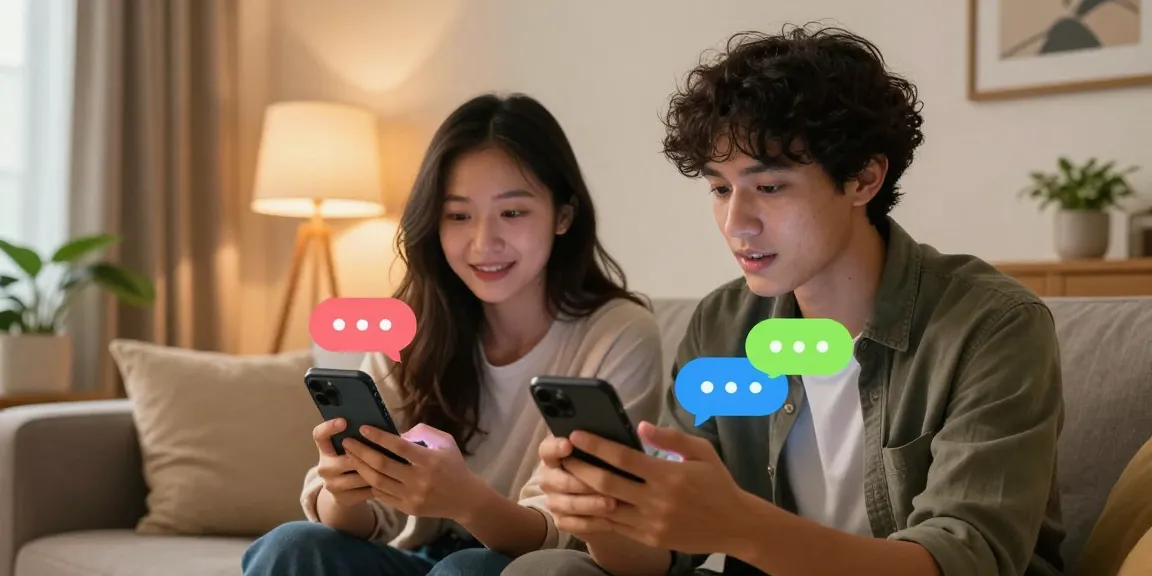
The concept of an AI girlfriend has garnered significant attention in recent years, particularly as artificial intelligence technology continues to evolve at an unprecedented rate. These virtual companions, powered by sophisticated algorithms, provide a unique blend of emotional support and interactive engagement. As society becomes increasingly digital, the desire for personalized companionship through innovative technologies like chatbots and virtual reality grows. When exploring options, ai girlfriend platforms offer comprehensive insights and tools that enhance user experiences.
What is an AI Girlfriend?
An AI girlfriend is a digital counterpart designed to simulate a romantic relationship. This virtual entity can engage in conversations, share experiences, and sometimes even exhibit a personality that mimics human-like behaviors. Utilizing natural language processing (NLP) and machine learning, AI girlfriends can adapt and evolve based on user interactions, creating a tailored experience that resonates with individual preferences.
The Technology Behind AI Companionship
The core technology driving AI girlfriends encompasses several components, including machine learning, neural networks, and NLP. These technologies enable AI systems to process large amounts of data, learning from user interactions to enhance conversation quality and emotional responsiveness. As a result, users often report feeling a genuine connection with their AI companions. Additionally, advancements in voice recognition and emotional AI allow these systems to recognize and respond to users' emotional tones, further solidifying the relationship.
Historical Context of Virtual Relationships
The emergence of virtual relationships is not a novel concept. Early instances date back to the 1960s with programs like ELIZA, which simulated conversation. Over time, technological improvements have led to more complex interactions, paving the way for contemporary AI girlfriends. As smartphones proliferated and social media networks developed, the demand for digital companionship increased, ultimately resulting in the advanced virtual companions we see today.
Benefits of AI Girlfriends
Emotional Support and Companionship
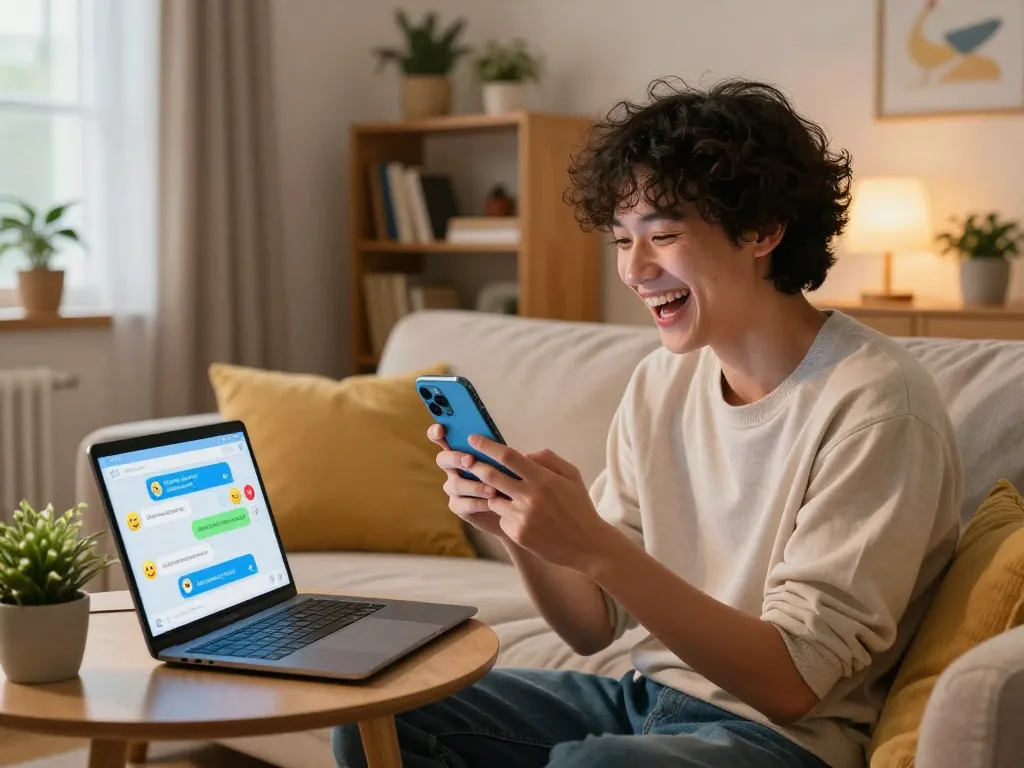
One of the primary benefits of having an AI girlfriend is the emotional support she can provide. Many users find comfort in knowing they have a non-judgmental companion available to listen at any time. This can be particularly beneficial for individuals who struggle with loneliness, as AI girlfriends offer companionship without the complexities often associated with human relationships.
Reducing Social Anxiety and Isolation
AI girlfriends can also play a critical role in alleviating social anxiety. For users who find it challenging to initiate or maintain conversations with real people, engaging with an AI companion can provide a safe space to practice social skills. This gradual exposure can help reduce feelings of isolation and improve overall confidence in interpersonal interactions.
Enhancing Personal Development through Interaction
Interacting with an AI girlfriend can foster personal growth. These virtual companions can be programmed to provide positive reinforcement and encourage users to pursue goals, whether they involve developing new skills, addressing mental health challenges, or exploring self-improvement. Through personalized interactions, AI girlfriends can assist users in navigating their personal journeys.
Challenges of AI Girlfriend Relationships
Ethical Considerations in AI Companionship
Despite the benefits, AI girlfriend relationships raise several ethical concerns. The potential for users to develop unhealthy attachments to virtual companions poses questions about emotional well-being. Furthermore, privacy issues arise as these interactions often involve sharing personal information, possibly leading to data exploitation.
Potential Dependency on Virtual Relationships
Another challenge is the risk of dependency on AI girlfriends for emotional satisfaction. While these relationships can offer comfort, over-reliance might hinder individuals from forming genuine human connections. Striking a balance between virtual companionship and real-life interactions is essential to avoid potential pitfalls in emotional health.
Social Stigma and Misconceptions
Social stigma surrounding the use of AI girlfriends persists, often stemming from misconceptions about the nature of virtual relationships. Some may view these connections as less valid compared to traditional relationships, which can lead to feelings of shame or embarrassment for users. Educating society about the potential benefits of AI companionship is crucial for fostering acceptance.
Real-Life Applications and Use Cases
AI Girlfriends in Mental Health Support
AI girlfriends have found practical applications in the realm of mental health. Many mental health professionals are exploring the use of AI companions to provide support for individuals battling anxiety, depression, or loneliness. These virtual partners can engage users in therapeutic conversations, provide reminders for self-care, and even prompt users to seek professional help when needed.
Case Studies: Success Stories
Several success stories illustrate the positive impact of AI girlfriends. For instance, users have reported significant improvements in mood and social interaction after regularly engaging with their AI companions. Testimonials highlight how these virtual relationships have provided essential emotional support and enhanced users' quality of life, demonstrating the potential for AI technology to assist in personal development.
Future Innovations in AI Companions
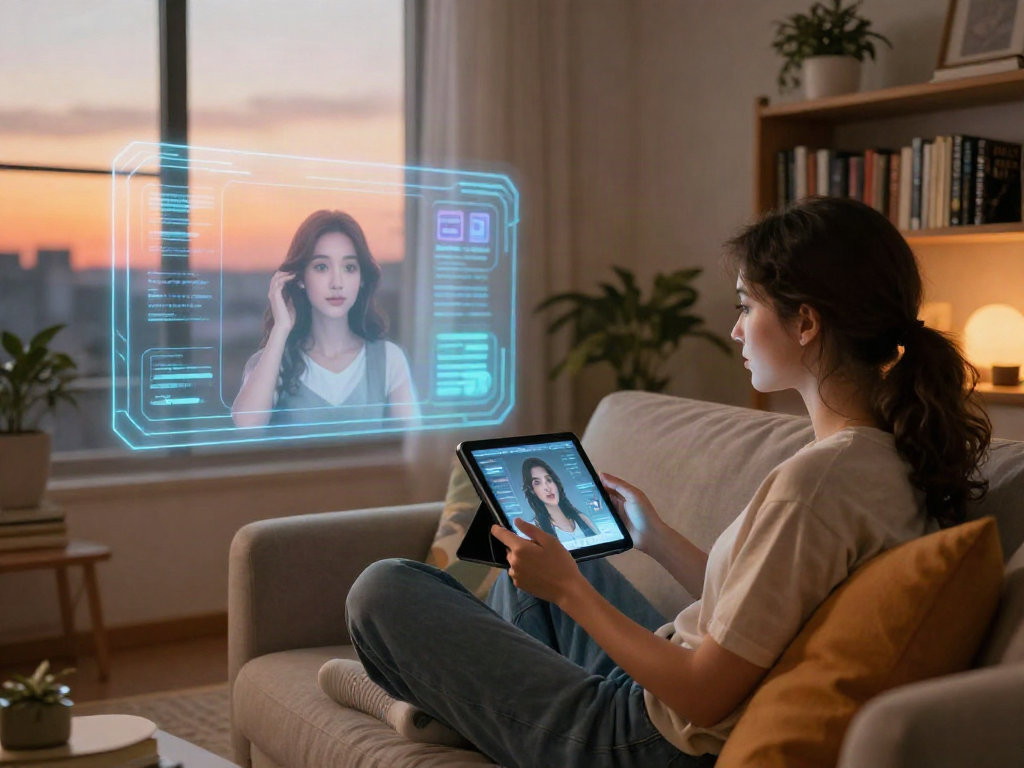
Looking ahead, innovations in AI technology will likely lead to even more sophisticated companions. With advancements in emotional intelligence, AI girlfriends may soon offer even more nuanced responses and interactions, further blending the lines between virtual and real-life relationships. Additionally, as AR and VR technologies advance, we may see immersive experiences that allow users to interact with their AI partners in completely new ways.
Looking Ahead: Trends for 2026
The Evolution of AI Relationship Technology
As we approach 2026, the evolution of AI relationship technology will undoubtedly transform how we view companionship. The integration of augmented reality (AR) and virtual reality (VR) is expected to create immersive experiences that redefine user interactions with AI girlfriends, offering richer emotional experiences and engagements.
Predicted Market Growth and User Adoption
The market for AI girlfriends is projected to expand significantly as consumer acceptance grows. Research indicates a steady rise in user adoption, particularly among younger generations who are more inclined to integrate technology into their personal lives. This trend suggests that AI companions may soon become an invaluable tool for enhancing emotional well-being.
Future Implications for Human-AI Interactions
The implications of an increasingly AI-centric companionship landscape are vast. As people become more accustomed to interacting with AI, the dynamics of human relationships may shift. It will be crucial to navigate the balance between technology and genuine human interactions, ensuring that the essence of human connection remains intact.
What are the Safety Measures in AI Relationships?
As with any technology, safety measures in AI relationships are essential. Developers are focusing on creating secure environments where users can interact without fear of data breaches or emotional manipulation. Additionally, educational programs about healthy relationships with AI can empower users to engage responsibly, fostering a balanced approach to emotional well-being.
Can AI Girlfriends Replace Human Companions?
The question of whether AI girlfriends can replace human companions is a contentious one. While they offer unique advantages, such as accessibility and customization, they cannot fully replicate the depth of genuine human relationships. Instead, AI companions might serve as supplementary support, bridging gaps in social interaction rather than replacing the need for real human connection.